
Speed Limiter
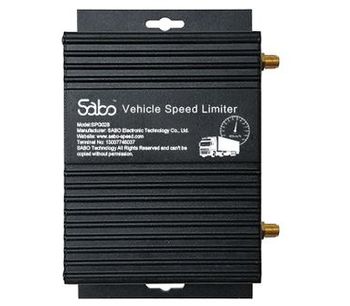
A speed limiter physically prevents a vehicle from exceeding a set speed. Unlike an alert, which reports a violation after it has already happened, the limiter prevents it in the first place.
How it works
The device connects to the engine management system and caps the maximum speed at a preset value. The driver uses every function of the vehicle normally, but the accelerator has no effect above the limit.
The limit is set according to vehicle type and company policy, and can be changed later if conditions change.
Why fleets use it
- Fewer accidents. Most serious collisions involving commercial vehicles are linked to excessive speed.
- Lower consumption. Fuel use climbs steeply above a certain speed; capping it produces measurable savings on long routes.
- Less wear. Tyres, brakes and engine last longer at a steady, lower speed.
- Fewer fines. Violations, and the costs that follow them, go down.
- Lower premiums. Some insurers offer better terms for fleets with limiters fitted.
Combining it with tracking
A limiter works best alongside GPS tracking. The limiter keeps speed under control, while the platform keeps a record of every journey — useful in a dispute with a customer, when checking a reported incident, or when reviewing driver behaviour internally.
Frequently asked questions
Is the vehicle still safe when overtaking?
Yes. The limit applies to maximum speed, not to acceleration up to it. The vehicle responds normally across the whole permitted range.
Can the driver switch it off?
No. The setting is changed only by an authorised person through the platform, or by a service intervention.
Which vehicles can it be fitted to?
Trucks, buses, vans and passenger cars with electronic engine management. We confirm feasibility from the make and year of manufacture.
Request a quote
Tell us how many vehicles you run and what you want to track, and we will put together a quote with an exact price per vehicle.
Or call +389 2 306 1625 — Kairska 6, Skopje.